Traditional Chinese Medicine (TCM) is a holistic healing system with over 3,000 years of history. It views the body as an interconnected whole, guided by the balance of Yin and Yang and the natural flow of Qi.
Explore this timeless wisdom — discover your unique body constitution, learn how food can be used as medicine, and gain insight into how cultures around the world connect with these enduring principles.
History, Yin-Yang theory, Five Elements, and how TCM views food and digestion.
Explore →Identify your TCM body type from 8 constitution categories with personalised guidance.
Take the quiz →How do major world cuisines — from Japanese to Mediterranean — align with TCM principles?
Compare cultures →Seasonal and constitution-specific recipes with step-by-step guides and ingredient analysis.
Cook & heal →Five TCM-rooted micro-habits — one for each part of your day — to harmonise Qi, balance Yin and Yang, and restore your body's natural rhythm.
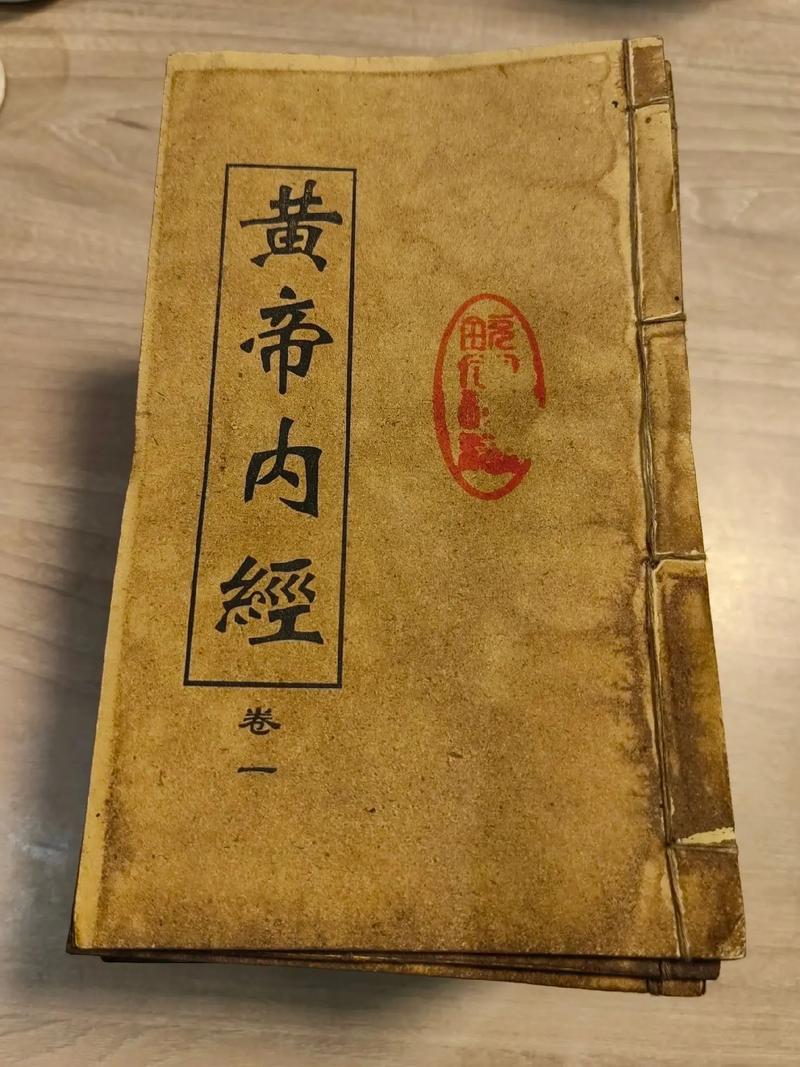
"The superior doctor prevents illness; the mediocre attends to impending illness; the inferior treats actual illness." — Huangdi Neijing, c. 300 BCE
TCM holds that what we eat shapes our energy, organ function, and emotional wellbeing. Unlike modern nutrition, which focuses on macronutrients and micronutrients, TCM categorises foods by their thermal nature, flavour, and organ affinity — offering a nuanced framework for personalised nourishment.
This website is a bridge between that ancient wisdom and the modern world — practical, thoughtful, and grounded in classical texts.
Thousands of years of wisdom on how the body, nature, and balance are deeply interconnected.
Traditional Chinese Medicine (TCM) dates back thousands of years to prehistoric times when people discovered the medicinal properties of herbs through trial and error. The earliest comprehensive text, the Huangdi Neijing (Yellow Emperor's Inner Canon), was compiled around 300 BCE and laid the theoretical foundation for TCM — including Yin-Yang, Five Elements, meridians, organ systems, and disease mechanisms.
During the Han dynasty, Shang Han Za Bing Lun (Treatise on Cold Damage and Miscellaneous Diseases) categorised illnesses and treatments systematically. During the Tang and Song dynasties, TCM expanded to include dietary therapy, health preservation, and diverse treatment forms: decoctions, acupuncture, moxibustion, and massage.
Bencao Gangmu (Compendium of Materia Medica) by Li Shizhen during the Ming Dynasty became a monumental pharmacopeia with 1,892 medicinal entries. Today, TCM is gaining international attention — particularly in wellness, nutrition, and preventive care.
Face, tongue colour, coating, complexion, posture, and vitality
Voice quality, breathing rhythm, coughing sounds and body odour
Symptoms, sleep, appetite, thirst, pain, emotional and lifestyle patterns
28 distinct pulse qualities assessed at three positions on each wrist
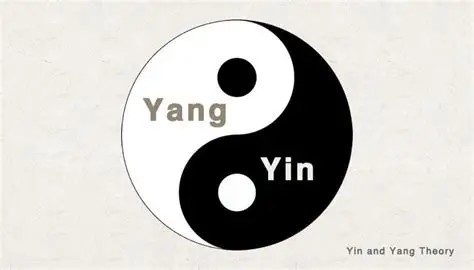
Yin and Yang are core philosophical concepts originating from the ancient I Ching (Book of Changes). They represent two opposing yet interdependent forces. Health is viewed as a dynamic equilibrium — excess in either direction manifests as illness, and TCM aims to restore this balance through diet, herbs, lifestyle, and acupuncture.
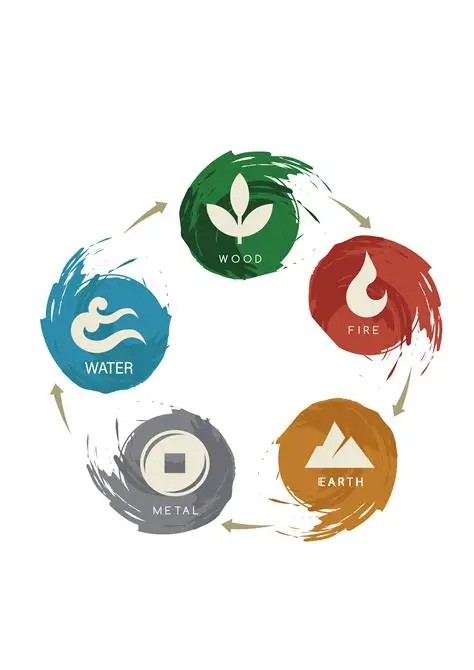
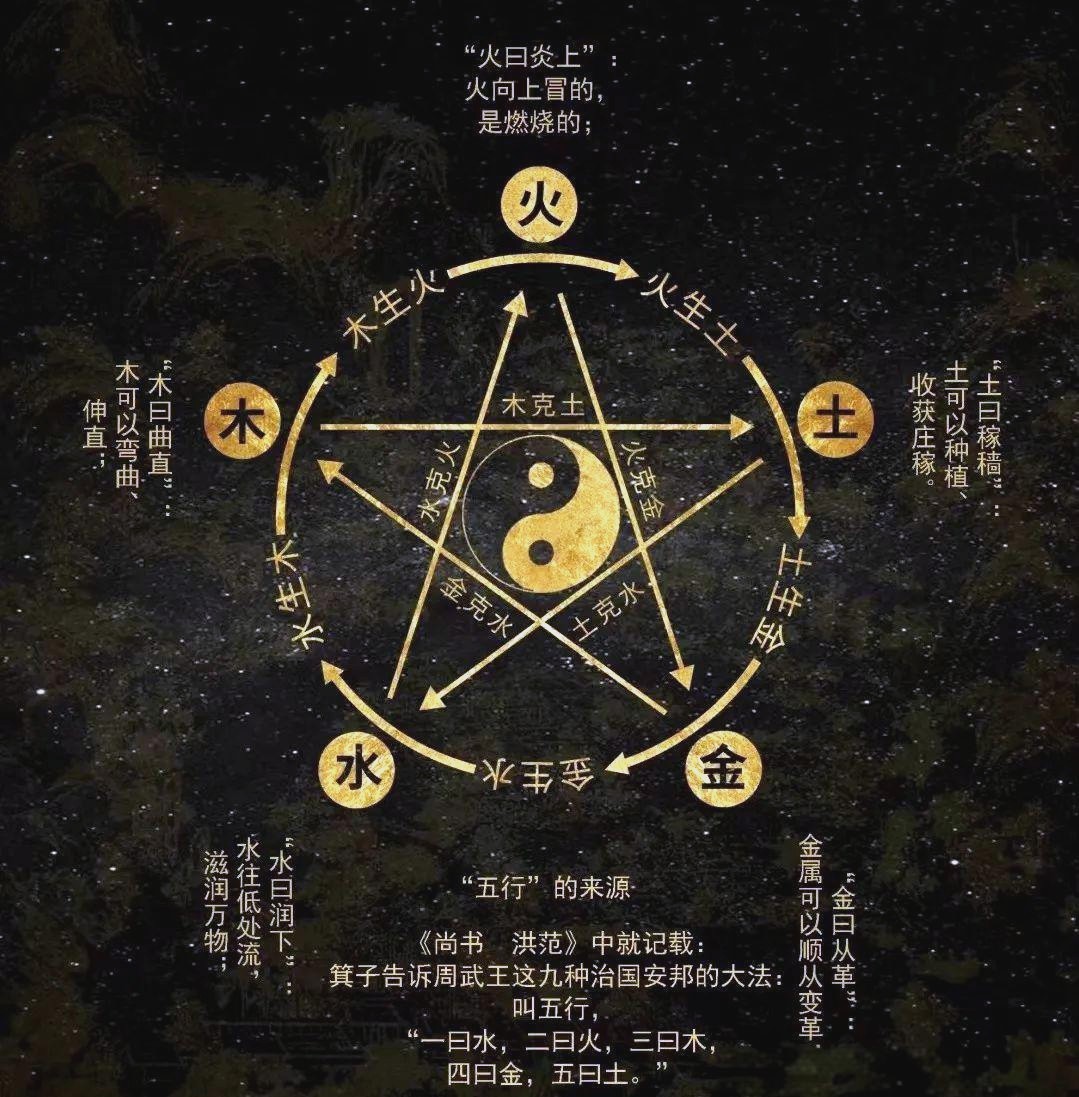
Wood, Fire, Earth, Metal, and Water represent aspects of both the natural world and the human body, each corresponding to a major organ system. They interact through cycles of generation (木→火→土→金→水) and control to maintain organ harmony — a core principle in TCM diagnosis and therapy.
Generation cycle: Wood → Fire → Earth → Metal → Water → Wood
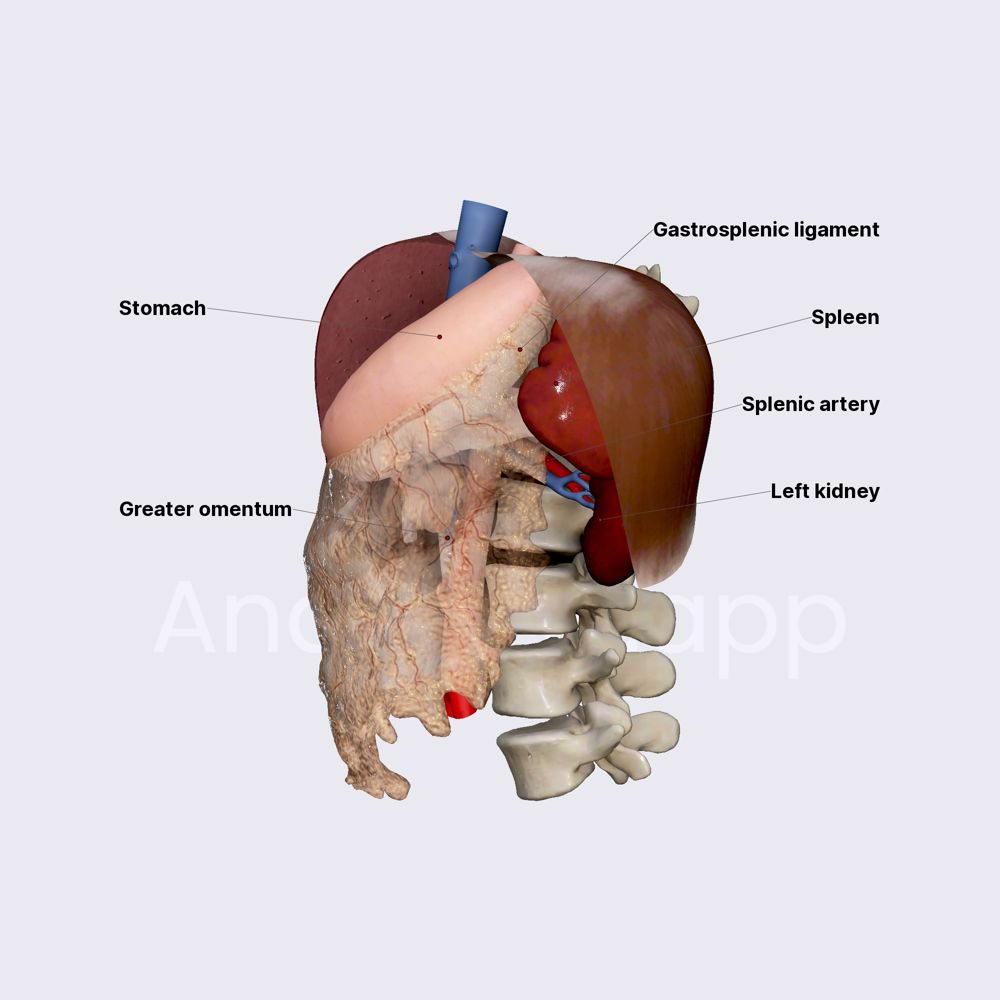
In TCM, the "spleen" does not refer to the anatomical organ in Western medicine, but to the broader system governing digestion and metabolism. The spleen governs transformation and transportation — converting food into Qi (vital energy), blood, and fluids — while the stomach receives food and initiates the digestive process.
Weak spleen and stomach function may manifest as poor appetite, fatigue, bloating, loose stools, and a thick tongue coating. TCM emphasises moderation in eating and avoiding raw or cold foods, recommending warm, easily digestible ingredients such as yam, ginger, red dates, and millet.
Foods are classified as hot, warm, neutral, cool, or cold. Choosing foods according to your constitution helps maintain internal balance.
Eat breakfast like a king, lunch like a prince, dinner like a pauper. Regular meal timing protects spleen Yang and digestive Qi.
Sour, bitter, sweet, pungent, and salty — each flavour nourishes a specific organ system and should be balanced in daily eating.
Cold or iced beverages weaken spleen Yang and digestive fire. Prefer warm water, herbal teas, or room-temperature drinks.
Identify your constitution type from TCM's 8 categories. Tick the symptoms that apply — answer with your first impression.
How do the world's major dietary cultures align with TCM principles? Explore regional patterns and their effects on body balance.
Sichuan and Hunan cuisines are known for their bold, spicy flavors, making them ideal for damp, cold environments. According to TCM, these cuisines are categorized as pungent and hot, and are said to help warm the body, promote blood circulation, and dispel internal cold. They are ideal for individuals with cold or Yang-deficient constitutions.
From a nutritional perspective, chili peppers are rich in capsaicin, which has antioxidant and metabolic-boosting effects. However, excessive intake may irritate the gastrointestinal system and deplete Yin and Qi.
Japanese cuisine is known for its subtle flavors and emphasis on freshness, with a significant proportion of raw and fermented foods. Fermented items like miso and natto support gut microbiota and offer probiotic benefits. The diet is also low in calories and rich in omega-3 fatty acids from fish, promoting cardiovascular health.
However, from the perspective of TCM, raw foods are considered cooling and may harm the digestive Yang energy if consumed in excess. This may lead to symptoms like fatigue, diarrhea, or cold extremities.
Indian cuisine is known for its rich use of spices, such as turmeric, cumin, and chili. These spices not only enhance the flavor of the food, but also offer anti-inflammatory and antioxidant benefits. From a TCM perspective, Indian food is considered warming and is suitable for people with Yang-deficiency or cold constitutions.
However, its high carbohydrate content — especially from refined rice and breads — can lead to blood sugar spikes and metabolic stress. Moreover, excessive consumption of spicy, oily foods may deplete body fluids and Yin, causing dryness, constipation, and acne.
The American diet is mostly characterized by a high intake of processed foods, sugars, and saturated fats, often in the form of fast food and snacks. From a nutritional standpoint, this diet contributes significantly to chronic diseases such as obesity, diabetes, and hypertension.
According to TCM, this dietary pattern is considered to be cold and damp, weakening the digestive Yang and creating internal phlegm and fatigue. Symptoms may include bloating, lethargy, and loose stools. Frequent consumption of iced drinks may further harm the spleen Yang.
Latin American cuisine is bold and flavorful, with staples such as fried tortillas, sugary drinks, and red meat. From a nutritional perspective, this dietary pattern is calorie-dense and linked to obesity and insulin resistance.
From a TCM view, such foods are considered to be of a damp-heat nature, which can lead to liver heat, acne, halitosis, and digestive discomfort. Reducing sugar and fried foods is therefore essential.
The Mediterranean diet is well-balanced, with a focus on seafood, vegetables, whole grains, and olive oil. It promotes cardiovascular health and provides antioxidant protection.
According to TCM, it has a cooling effect, making it ideal for hot climates and individuals prone to heat. However, for individuals who are Yang-deficient or sensitive to cold, it's important to add warming elements to maintain balance.
North European cuisine is generally mild and healthy, with a high intake of cold-water fish, dairy products and whole grains. These foods are excellent sources of omega-3 fatty acids, which support heart and brain health.
However, from a TCM standpoint, this type of diet has a cooling effect and may reduce Yang energy, especially in cold weather or for individuals with weak digestion. Symptoms may include cold limbs and a slow metabolism.
African cuisine mainly consists of grains such as corn, millet and cassava, as well as root vegetables, which are often served with beans, green leafy vegetables, and local fruits. In some regions, lamb and chicken are often cooked and grilled. The nature of the cuisine is overall peaceful, which can nourish the spleen and stomach, nourish Qi and blood, and is suitable for daily consumption by most people.
However, in some areas, there is a tendency to eat too much grilled meat and spicy sauces, which TCM believes may contribute to dampness and heat generation.
Middle Eastern cuisine is hearty and full of spices, making use of lamb, beef, and poultry, which are prepared by grilling or stewing. These foods provide warming energy, which offer protection in dry, cold desert climates.
However, from a TCM view, overconsumption may generate internal heat, dryness, or inflammation.
Constitution-based and seasonal recipes that bring warmth, nourishment, and balance — with full ingredient analysis from a TCM perspective.
| Ingredient | TCM Nature | Key Effect |
|---|---|---|
| Millet | Cool, Sweet, Salty · Spleen, Stomach, Kidney | Nourishes Yin, strengthens spleen. Calming and easily digestible. |
| Chinese Yam | Neutral, Sweet · Lung, Spleen, Kidney | Tonifies Qi in spleen and stomach; nourishes lung and kidney Qi. |
| Red Dates | Warm, Sweet · Spleen, Stomach | Tonifies Qi and nourishes blood. Harmonises other ingredients. |
| Chinese Wolfberry | Neutral, Sweet · Liver, Kidney, Lung | Tonifies liver and kidney Yin; improves vision; nourishes blood. |
| Ingredient | TCM Nature | Key Effect |
|---|---|---|
| Apple | Cool, Sweet, Sour · Spleen, Stomach | Generates fluids, soothes stomach. When cooked, nature becomes more neutral. |
| Ginger | Warm, Pungent · Lung, Spleen, Stomach | Warms the middle, dispels internal cold, revives Yang Qi, aids digestion. |
| Red Dates | Warm, Sweet · Spleen, Stomach | Tonifies Qi and blood; provides a warm and sweet foundation. |
| Cinnamon | Hot, Sweet, Pungent · Heart, Kidney, Spleen, Liver | Warms and tonifies kidney Yang, dispels cold, promotes circulation. |
| Brown Sugar | Warm, Sweet · Spleen, Stomach, Liver | Tonifies and invigorates the blood; warms the middle and dispels cold. |
| Ingredient | TCM Nature | Key Effect |
|---|---|---|
| Pork Ribs | Neutral, Sweet & Salty · Spleen, Stomach, Kidney | Nourishes Yin, addresses dryness, tonifies deficiency and strengthens the body. |
| Carrot | Neutral, Sweet · Spleen, Liver, Lung | Strengthens the spleen, harmonises the middle, nourishes the liver. |
| Sweet Corn | Neutral, Sweet · Stomach, Large Intestine | Regulates the middle, stimulates appetite, promotes diuresis and drains dampness. |
| Ginger | Warm, Pungent · Lung, Spleen, Stomach | Warms the middle, dispels cold, harmonises the stomach, relieves nausea. |
| Ingredient | TCM Nature | Key Effect |
|---|---|---|
| Snow Pear | Cool, Sweet & Sour · Lung, Stomach | Promotes fluid production, clears heat, addresses dryness, resolves phlegm. |
| Tremella | Neutral, Sweet · Lung, Stomach, Kidney | Nourishes Yin, moistens lungs, nourishes the stomach, promotes fluid production. |
| Rock Sugar | Neutral, Sweet · Spleen, Lung | Tonifies the Middle, harmonises the stomach, moistens the lungs. |
| Chinese Wolfberry | Neutral, Sweet · Liver, Kidney, Lung | Tonifies liver and kidneys, boosts essence, improves vision, moistens lungs. |
Five micro-habits rooted in TCM wisdom — one for each part of your day. Small, consistent actions that harmonise Qi, balance Yin and Yang, and restore your body's natural rhythm.
Baduanjin involves gentle, slow movements coordinated with breathing, focusing on "regulating the body, breath, and mind". It systematically unblocks the body's meridians, guides the harmonious flow of Qi and blood, and particularly elevates clear Qi while sinking turbid Qi. This alleviates stagnation caused by prolonged sitting, stiffness in the shoulders and neck, and mental fatigue — achieving self-harmony of Yin and Yang.
Find a Baduanjin video online. Complete one full round each day in the morning.
Example VideoThe centre of the foot is the starting point and intersection of multiple meridians. Warming the feet with hot water stimulates the downward movement of energy, dispels cold and dampness, and promotes circulation — balancing the heart and kidney meridians, calming the heart and mind, and laying the foundation for high-quality sleep.
Before bed, soak your feet in comfortably hot water (above the ankles) for 8–10 minutes until you feel a gentle warmth spreading through your body. Add more hot water as it cools.
The abdomen is the "palace" of the internal organs, and the spleen is the foundation of life care. Clockwise abdominal massage promotes the passage of Qi, strengthens the spleen, and improves digestion. It also relieves constipation, bloating, and indigestion caused by prolonged sitting — in line with the TCM concept that "when the spleen is strong, all diseases will not arise".
Half an hour after meals, rub your palms together until warm. Place your belly button at the centre and massage your abdomen in a clockwise circle for five minutes. Apply gentle pressure — this can easily be done without taking up extra time.
The spleen is responsible for regulating digestion. Standing still for a moment promotes the natural circulation of Qi, helps the spleen and stomach to "light up" and transport water and grains. This avoids stagnation of Qi and food caused by prolonged sitting or lying down, and fundamentally alleviates postprandial fatigue and abdominal distension.
After each meal, put your phone down and stand still for five minutes — by a wall or in the open. Breathe naturally and allow your body to relax fully.
The waist is considered the home of the kidneys, and prolonged sitting damages the kidney's Qi and spleen's Yang — weakening control of the meridians and causing stagnation of Qi and blood. Slowly twisting the waist gently moves the meridians and liver-gallbladder meridians, unblocking blood stasis caused by prolonged sitting and relieving lower back pain.
Stand up once an hour, place your hands on your hips, and slowly draw large, relaxed circles with your hips — 10 clockwise and 10 anti-clockwise. Focus on feeling a gentle release in your lower back.
"The superior doctor prevents illness; the mediocre doctor attends to impending illness; the inferior doctor treats actual illness."
— Huangdi Neijing
This website is dedicated to making the ancient wisdom of Traditional Chinese Medicine accessible, relatable, and actionable for modern lives — wherever you are in the world.
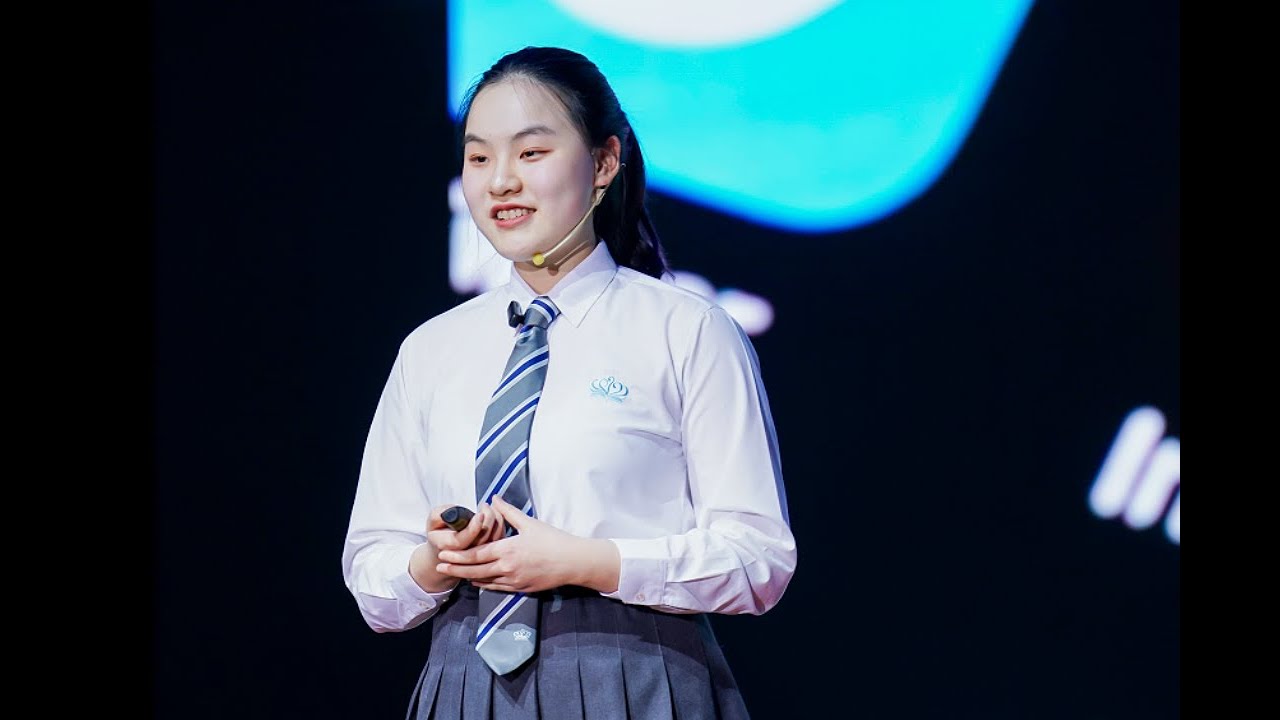
The realization of a "human nutrition" | Lehan Wang | TEDxNACIS Shanghai Youth
When I was 13, I suddenly felt a huge desire to improve at figure skating — my longest-running and most beloved sport. Watching videos of beautiful skaters performing jumps, spins, and breathtaking moves, I was filled with admiration. To learn more moves and achieve higher competition scores, I took my coach's advice and decided to lose weight.
Then the pandemic hit. Locked down at home, bored and restless, I started researching weight-loss methods obsessively. After scrolling through countless exaggerated plans on social media, I made an even more extreme decision of my own. I cut out all staple foods — virtually zero carbohydrates — and restricted myself to around 800 calories a day, tracked through a calorie app, while exercising aerobically for more than two hours daily. The results were the opposite of what I wanted. I became irritable and hated myself whenever I exceeded my goal by even 10 calories. I lost control on "cheat days". My periods stopped. My hair began to fall out.
It took me more than two years to overcome this and return to a normal life. (You can hear the full story in my TEDx speech, linked above.) I eventually stopped training in figure skating and switched to 10-metre air rifle shooting — and was fortunate to improve quickly enough to train with a professional team at a sports school. None of that journey was unconnected from what I had learned about how to truly nourish a body.
It was those deeply wrong experiences that first ignited my interest in health and nutrition. As a Chinese person, I have always been drawn to Traditional Chinese Medicine — its reasoning feels like storytelling, but with real, useful medical insight. My belief in TCM is also personal: when I was two years old, I had a very serious illness, and for the five years that followed I could barely attend school for a full day without catching a cold or even pneumonia. My mother, worried, took me to a traditional Chinese medicine hospital. The doctor treated me with various classical methods and herbs, and gradually, the lasting effects of that early illness were healed. Thanks to that treatment, I was able to attend school full days, join PE classes, participate in extracurricular sports, and eventually be selected for a professional team.
It is this combination of experiences — the hard lessons about nutrition, and the healing power of TCM I witnessed firsthand — that led to this website. We built it to share what TCM has to offer with anyone who might find it useful.
Interested in collaborating, sharing your own TCM story, or simply discussing food and wellness? I would love to hear from you.